How coastal routines, lifestyle tweaks and psychological tools can help you thrive through Kent’s darkest season
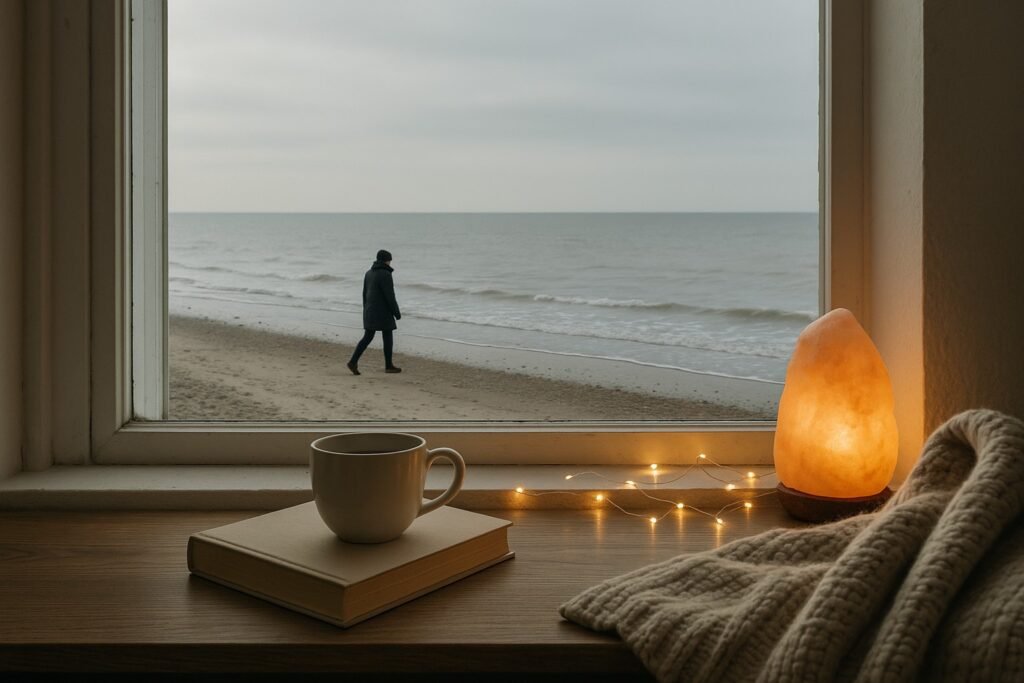
Introduction – Winter Shadows over the Kent Coast
As autumn transitions into winter, the south‑east of England dims under slanted daylight and longer nights. For many in Kent—from Dover to Canterbury—the short days can bring more than just damp weather: they trigger Seasonal Affective Disorder (SAD), a form of recurrent depression tied to reduced sunlight.
Yet living near the sea and chalk cliffs, the salty air and open horizons offer unique therapeutic advantages. This guide explores how coastal rhythms, evidence‑based approaches like light therapy and behavioural activation, and mindful routines can help you manage SAD through Kent’s winter.
Understanding SAD: More Than “Winter Blues”
Seasonal Affective Disorder is a subtype of major depressive disorder that occurs predictably in autumn and winter, improving as daylight returns. Unlike the common winter blues, SAD features sustained low mood, fatigue, cravings, hypersomnia, and social withdrawal.
Biologically, reduced sunlight disrupts serotonin and melatonin balance, and shifts circadian rhythms. Psychologically, isolation and loss of routine feed rumination and low motivation.
In Kent, winter sunlight averages just 2–3 hours per day, especially in December and January—heightening risk for affected individuals.
Why Sand and Sea Can Support Healing
Living on the Kent coast offers natural assets useful in SAD management:
- Natural daylight exposure by the sea can boost serotonin and regulate circadian rhythm
- Moderate physical activity rippling with sea air (walking on the beach or clifftop trail) triggers endorphins and restorative calm
- Grounding in nature, through mindful coastal walks, taps into behavioural activation, especially vital when motivation is low
Identifying Signs of SAD vs. Winter Blues
| Symptom | Winter Blues | SAD |
| Duration | Short episodes | Recurring annually |
| Severity | Mild low mood | Persistent depressive symptoms |
| Sleep | Normal | Hypersomnia or insomnia |
| Appetite | Unchanged | Carbohydrate cravings and weight gain |
| Functioning | Mostly intact | Social withdrawal, reduced work function |
| Treatment Response | Improves with lifestyle | Often requires intervention (light therapy, CBT) |
If symptoms persist beyond two weeks, disrupt daily life, or include hopeless thoughts, contacting your GP and seeking mental health support is vital.
Coastal Strategies for SAD: Behavioural Activation by the Sea
1 Daily Midday Weston Beach Walk
Aim for 20–60 minutes of outdoor walking between 11:00–14:00 ideally facing east or west for maximum light, even on cloudy days.
2 Structure and Ritual in Short Days
Maintain consistent wake/sleep times, mealtimes, and breaks. A morning coastal walk anchors your day with purpose.
3 Mindful Seaside Moments
Practice sensory grounding—feel sand underfoot, hear gulls and crashing waves, smell salt spray—to calm the nervous system and interrupt rumination.
4 Embrace Behavioural Activation
Schedule enjoyable low-effort coastal-friendly activities: birdwatching near White Cliffs, journalling at South Foreland lighthouse, or beachcombing at Samphire Hoe.
Phototherapy: Light Therapy for SAD
1 Using Light Boxes
Light therapy is first-line treatment for SAD in international clinical guidelines. Devices provide 10,000 lux at 30–60 cm distance; daily sessions of 20–30 minutes (morning preferred).
2 Dawn Simulators
These mimic gradual sunrise and can improve mood and sleep more effectively in some cases.
3 Tips for Safe Use
- Always consult your GP before purchase.
- Use certified products without UV.
- Combine with natural light, especially when walking outdoors.
Diet, Exercise and Vitamin D
1 Balanced Nutrition
Focus on nutrient-rich meals: leafy greens, wholegrains, oily fish, nuts and berries. Limit simple sugars and high‑GI carbs that worsen energy crashes.
2 Vitamin D Supplementation
In winter, sunlight exposure in the UK isn’t enough for optimal vitamin D production. Supplements are advised between October and March.
3 Exercise Tips
Engage in regular moderate activities—walking, yoga, indoor classes or light stretching. Outdoors is ideal for dual benefit of light and movement.
Psychological Support: CBT & MBCT Approaches
1 Cognitive Behavioural Therapy for SAD
CBT helps challenge negative thoughts like “Winter will always bring despair.” Evidence shows CBT matched with light therapy yields longer lasting improvements than medication alone.
2 Mindfulness-Based Cognitive Therapy (MBCT)
MBCT trains decentring—observing depressive thoughts without identification. This reduces rumination, especially effective when seasonal mood cycles repeat.
3 Behavioural Tools for Clients
Keep automatic thought diaries, plan pleasurable activities, identify behavioural triggers and responses. Use mood trackers via journals or apps to monitor patterns.
Social Connection & Community in Winter
1 Support Groups & ‘Good Mood Cafés’
Join local community groups such as Good Mood Cafés, winter well-being meet‑ups, or local walking networks. These foster connections and positive reinforcement.
2 Local Coastal Volunteering
Participating in beach cleans, conservation efforts or seasonal projects provides purposeful outdoor exposure and social support.
3 Stay Connected with Loved Ones
Make winter routines social: arrange chats, afternoon tea, or shared walks. Shared light outdoors boosts mood more than solitary indoor time.
Self-Care and Practical Planning for Low Energy Days
Prepare Ahead
Batch cook comfort meals; leave easily accessible supplies; plan restful indoor hobbies (reading, crafting). Avoid decision fatigue on low-energy days.
Create a Cosy Environment
Use soft lighting, candles or fairy lights to enhance comfort (a Scandinavian concept known as mysig). Use pale interiors to amplify natural light.
Routine Hygiene & Structure
Maintain regular wake‑sleep cycles, hygiene, and mealtimes—even when motivation is low; this anchors circadian rhythm.
Limit Screen Time Before Bed
Reduce blue light in evenings. Replace with journalling, gentle stretches or breathing practice to support sleep quality.
When to Seek Professional Help
Persistent or Severe Symptoms
Consult your GP if low mood, hopelessness or changes in sleep/appetite persist. Early intervention aids effective recovery.
Therapy Options in Kent
Look for local CBT or MBCT trained counsellors offering walk-and-talk sessions by the sea. BACP and Counselling Directory offer UK‑based listings.
Medication
While antidepressants are not first-line, they may be appropriate in combination with light therapy and psychological support if symptoms are severe or persistent.
Sample Winter Wellness Plan for Dover/Kent Coastal Residents
- Morning ritual: Light therapy box for 20 minutes before breakfast; open curtains wide.
- Midday: 30‑minute coastal walk on Dover beach or Marsden Cliffs under natural daylight.
- Afternoon: Healthy lunch with oily fish, greens, carbs; short journalling session of mood and gratitude.
- Evening: Gentle yoga or stretching indoors; avoid screens one hour before bed; cosy lighting.
- Weekly: Volunteer beach sweep or Good Mood Café meet‑up; track symptoms and energy.
- Monthly: Reflect with your counsellor on mood diaries and fine‑tune strategies.
Frequently Asked Questions
How does SAD differ from regular depression?
SAD is seasonal and tied to daylight loss; symptoms improve in spring—though treatments overlap with standard depression care.
Can walking at the coast replace light therapy?
Outdoor daylight exposure is helpful, but may not match the intensity needed—light therapy remains recommended where daylight is insufficient.
What time of day is best for walking?
Between 11:00–14:00 offers highest ambient light for serotonin and rhythm regulation.
Is vitamin D important?
Yes—even those near the sea often lack sufficient vitamin D in winter. Supplements are recommended from October to March.
Can I do CBT on my own?
Absolutely. Journals, mood trackers, and self-help CBT resources help—but professional support enhances consistency and insight.
Conclusion: Embracing Winter with Coastal Resilience
Kent’s coastal environment provides more than scenery—it offers therapeutic daylight, grounding natural rhythms, and space to recover from seasonal depression. By combining behavioural activation on the shore, light therapy, evidence-based CBT or MBCT, balanced nutrition and routines, and social connection, you can resist the emotional drag of short winter days.
This year, let the sea breeze, open skies and mindful rituals light the way beyond SAD into steady, seasonal contentment—each step across the sand shifting you from survival into quiet resilience.
🔎 Visit my website www.wellnesscounsellingservice.com or my page on Psychology Today Elena Ward, Counsellor, Ruislip, HA4 | Psychology Today or Counselling Directory Counsellor Elena Ward – Dover & Ruislip – Counselling Directory to learn more and book a session.
Alternatively visit Psychology Today https://www.psychologytoday.com/gb or Counselling Directory Counselling Directory – Find a Counsellor Near You to find a Counsellor in your area.
Resources
Harvard Health Publishing. (2021). Seasonal affective disorder: Bring on the light. Harvard Medical School.
Melrose, S. (2015). Seasonal Affective Disorder: An overview of assessment and treatment approaches. Depression Research and Treatment, 2015(1), 1–6.
Rosenthal, N. E. (2019). Winter blues: Everything you need to know to beat seasonal affective disorder (4th ed.). Guilford Press.
Terman, M., Terman, J. S., & Ross, D. C. (1998). A controlled trial of timed bright light and negative air ionization for treatment of winter depression. Archives of General Psychiatry, 55(10), 875–882.
University of Exeter. (2022). Light therapy and mood. Mood Disorders Research Group Publication.